
Forex trading is a complex yet thrilling arena where currency pairs are traded to generate profits. To succeed in this highly competitive market, traders must employ various techniques and strategies. In this article, we will explore some effective forex trading techniques, and we’ll also touch upon how to choose the forex trading techniques Best Ivorian Brokers to facilitate your trading journey.
Understanding the Forex Market
The foreign exchange market, commonly referred to as forex or FX, is the largest financial market in the world. Trading takes place 24 hours a day, five days a week, with major trading centers located in New York, London, Tokyo, and Sydney. Unlike stock markets, the forex market operates as a decentralized network, allowing traders to exchange currencies at any time from almost anywhere globally.
Technical Analysis
One of the most popular techniques used by forex traders is technical analysis. This approach involves analyzing past price data to identify trends and patterns that may indicate future price movements. Here are some key components of technical analysis:
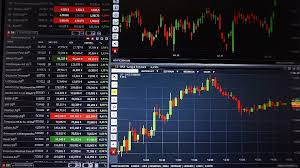
- Charts: Traders often use various charts, such as line charts, bar charts, and candlestick charts, to visualize currency price movements over time.
- Indicators: Technical indicators, such as Moving Averages, Relative Strength Index (RSI), and Bollinger Bands, help traders interpret price movements and market trends.
- Support and Resistance Levels: Identifying key support and resistance levels can help traders make informed decisions about entry and exit points.
Fundamental Analysis
While technical analysis focuses on historical price data, fundamental analysis examines economic indicators, news events, and geopolitical factors that may affect currency values. Key components of fundamental analysis include:
- Economic Indicators: Traders should keep an eye on reports such as GDP, unemployment rates, and inflation, as these data points can influence currency values.
- Central Bank Policies: The monetary policy decisions of central banks, such as interest rate changes, can significantly impact currency values.
- Geopolitical Events: Major events, such as elections, trade agreements, and natural disasters, can create volatility in the forex market.
Risk Management
One of the most critical aspects of forex trading is effective risk management. Successful traders understand that losses are an inherent part of trading and employ techniques to minimize risks. Here are a few risk management strategies:
- Position Sizing: Determining the appropriate position size based on your trading account balance and risk tolerance is essential to avoid significant losses.
- Stop Loss Orders: Setting stop-loss orders can help traders limit their losses by automatically closing a position once a certain loss threshold is reached.
- Diversification: Spreading your investments across different currency pairs can reduce the impact of adverse price movements in a single pair.
Developing a Trading Plan

Creating a trading plan is crucial for consistent success in forex trading. A well-defined trading plan includes your trading goals, strategy, risk management approach, and criteria for entering and exiting trades. Key components of a trading plan should include:
- Trading Goals: Define your financial goals, including profit targets and acceptable loss limits.
- Strategy: Outline the specific trading techniques and tools you will use, such as technical and fundamental analysis, to identify trading opportunities.
- Review Process: Regularly assessing your trading performance helps you identify what works and what doesn’t, allowing you to make necessary adjustments to your trading approach.
Emotional Control
Psychological factors play a significant role in trading outcomes. Traders often face emotional challenges such as fear, greed, and impatience, which can lead to poor decision-making. To succeed, traders should develop emotional discipline through the following:
- Stick to Your Plan: Adhering to your trading plan, even during periods of loss, helps prevent impulsive decisions based on emotions.
- Set Realistic Expectations: Understanding that losses are part of trading and setting realistic expectations can help manage emotions during volatile periods.
- Practice Mindfulness: Engaging in mindfulness techniques such as meditation and deep breathing can help maintain emotional balance.
Utilizing Technology
In today’s digital age, technology plays a vital role in forex trading. Various platforms and tools can enhance your trading experience. Here are some technological tools that can be beneficial:
- Trading Platforms: Choose a reliable trading platform that offers a user-friendly interface, a variety of analysis tools, and access to multiple currency pairs.
- Automated Trading Systems: Consider using automated trading systems to execute trades based on predefined criteria, allowing you to take advantage of market opportunities without constant monitoring.
- Mobile Trading Apps: Mobile trading applications enable traders to monitor and manage their trades on the go, providing flexibility in today’s fast-paced market.
Continuous Learning and Adaptation
The forex market is dynamic and ever-changing. Successful traders prioritize continuous learning and adaptability. This involves:
- Staying Informed: Regularly follow forex news, analyses, and economic reports to stay informed about global currency trends.
- Brokers and Community: Engaging with other traders and brokers can provide valuable insights and fresh perspectives.
- Practice with a Demo Account: Utilizing a demo account can help you practice your strategies without risking real capital, allowing you to test and refine your skills.
Conclusion
Succeeding in forex trading requires a combination of knowledge, skill, and emotional control. By implementing effective trading techniques such as technical and fundamental analysis, risk management strategies, and maintaining a disciplined approach, you can enhance your chances of success in the forex market. Remember to choose reliable brokers and continually adapt to the ever-evolving market conditions to stay ahead of the competition.
Recent Comments